


Collagen for your joints: what does science really say?
Collagen is one of the most popular supplements at the moment. But what is it actually? What happens when you take it? And what can you expect from it? We lay out the facts. Honestly and without marketing hype.
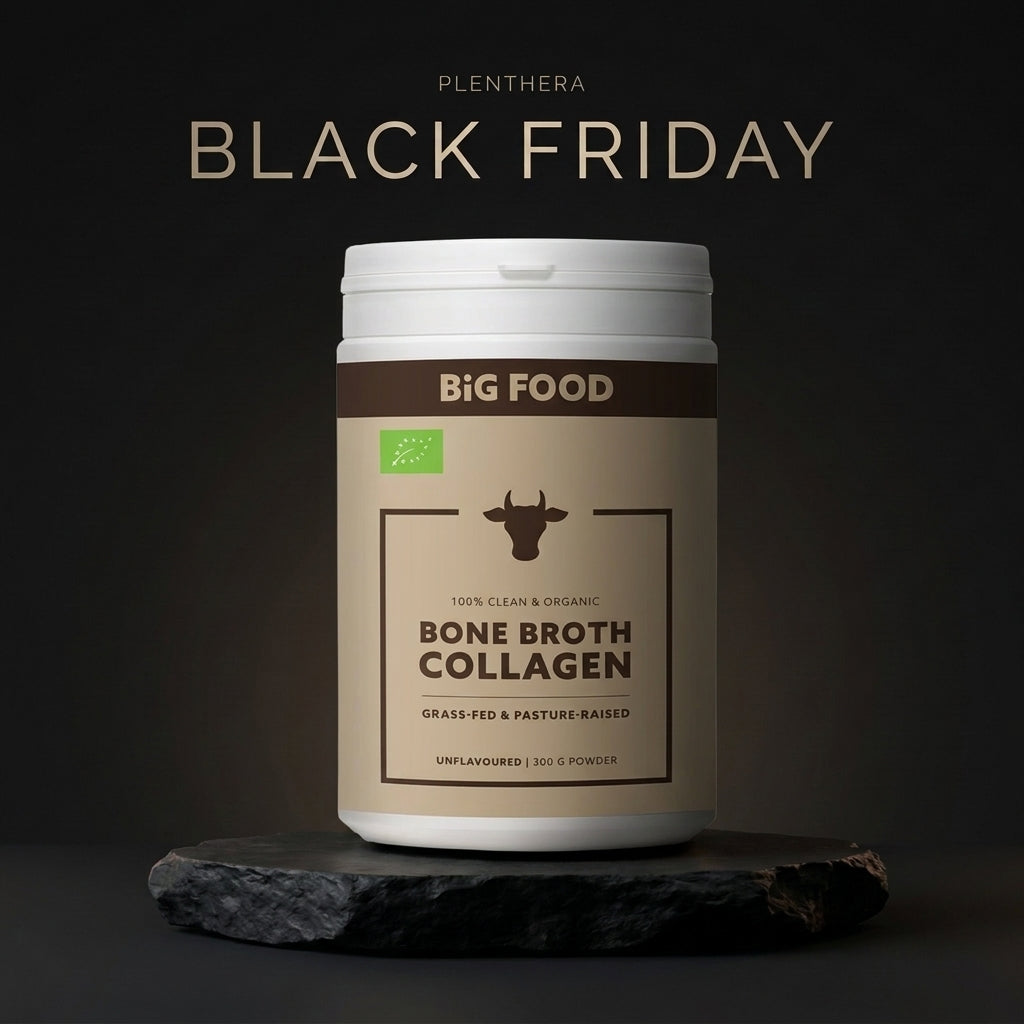
Organic Bone Broth Collagen Powder – 300 g
Choose your option
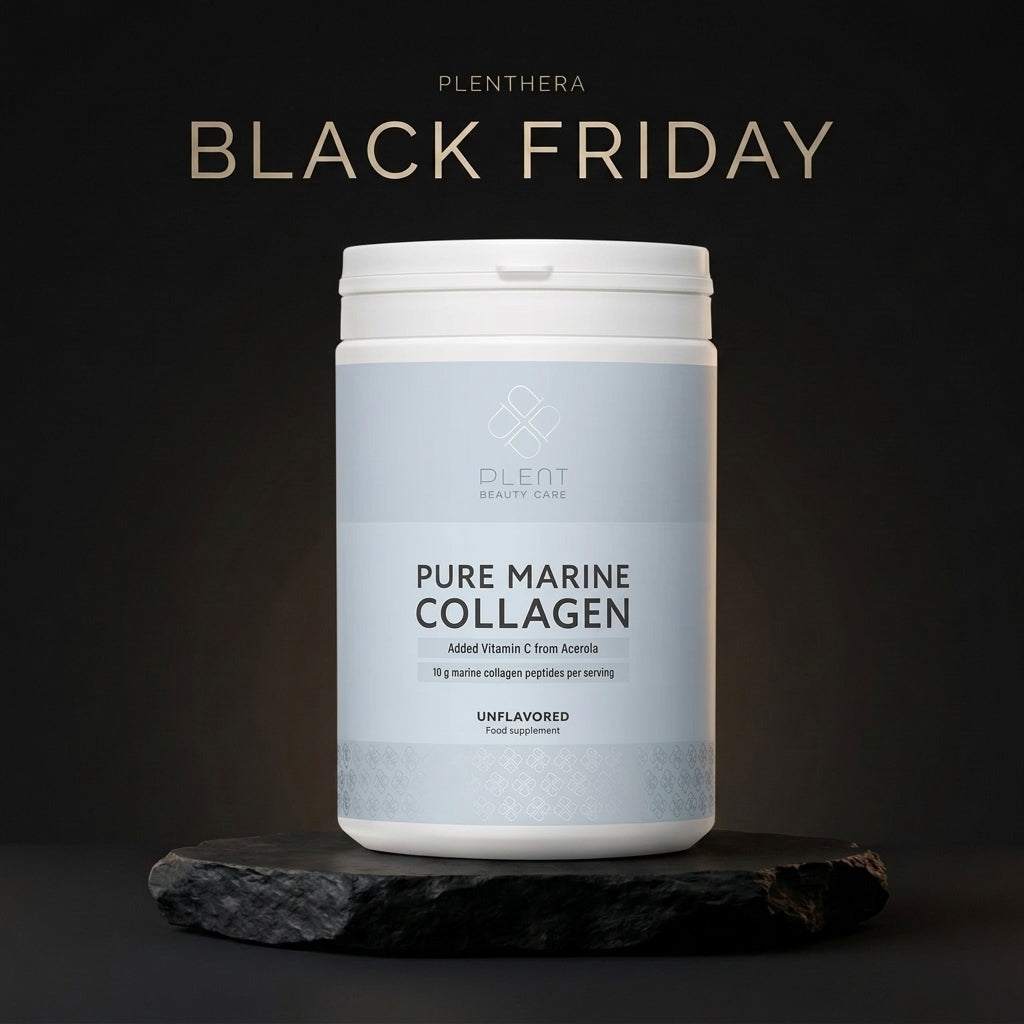
Pure Marine Collagen +C – Unflavored – 300 g – Fish Collagen Peptides with Vitamin C
Choose your option
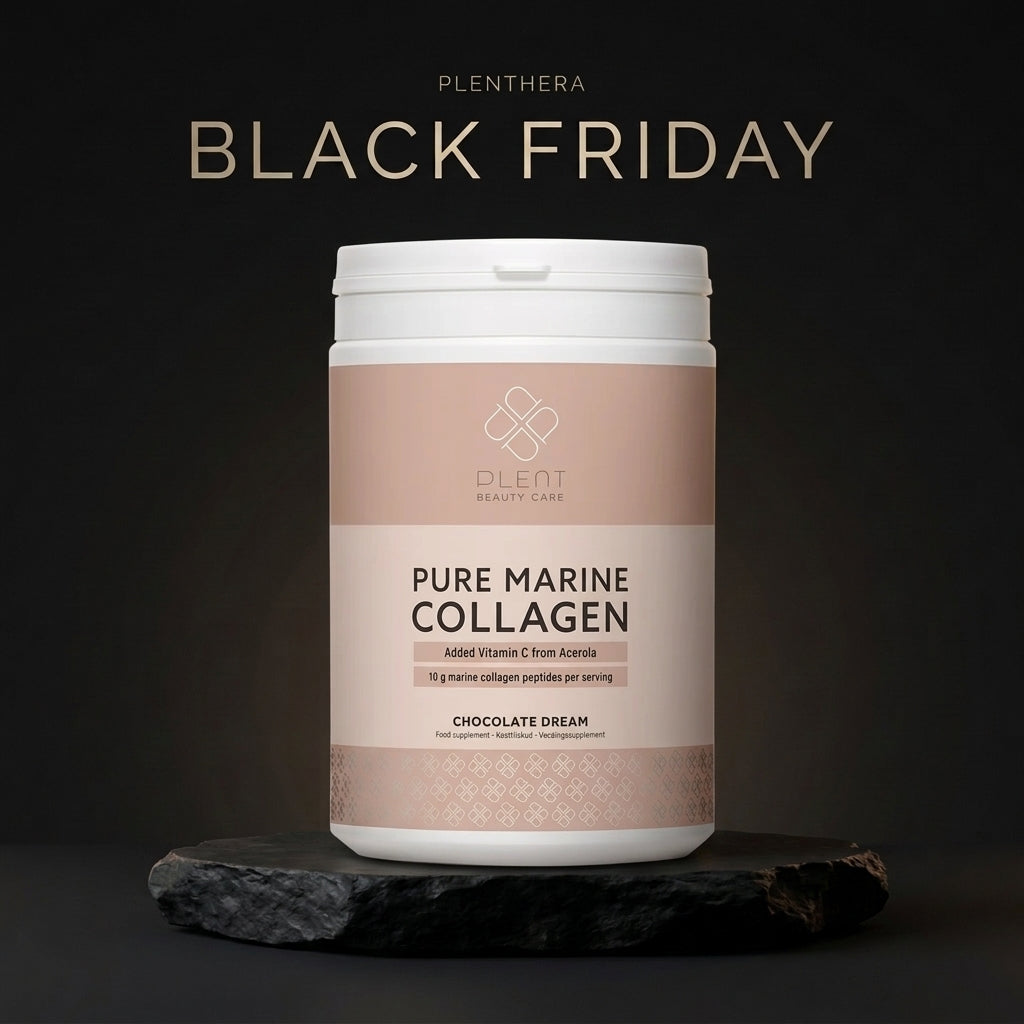
Pure Marine Collagen – Chocolate Dream – 300 g | Fish Collagen with Vitamin C
Choose your option

Collagen Powder Grass-Fed & Hydrolysed - 400g
Choose your option

Beauty Blend Collagen Powder – Elderberry – 40 servings
Choose your option

Pure Marine Collagen Powder – Strawberry Lemonade – 300 g
Choose your option

Pure Bovine Collagen – Bovine Collagen Peptides – 400 g
Choose your option

Pure Marine Collagen – Citrus Lemonade – 30 sachets
Choose your option

Beauty Collagen – Strawberry-Lemon – 271 g
Choose your option
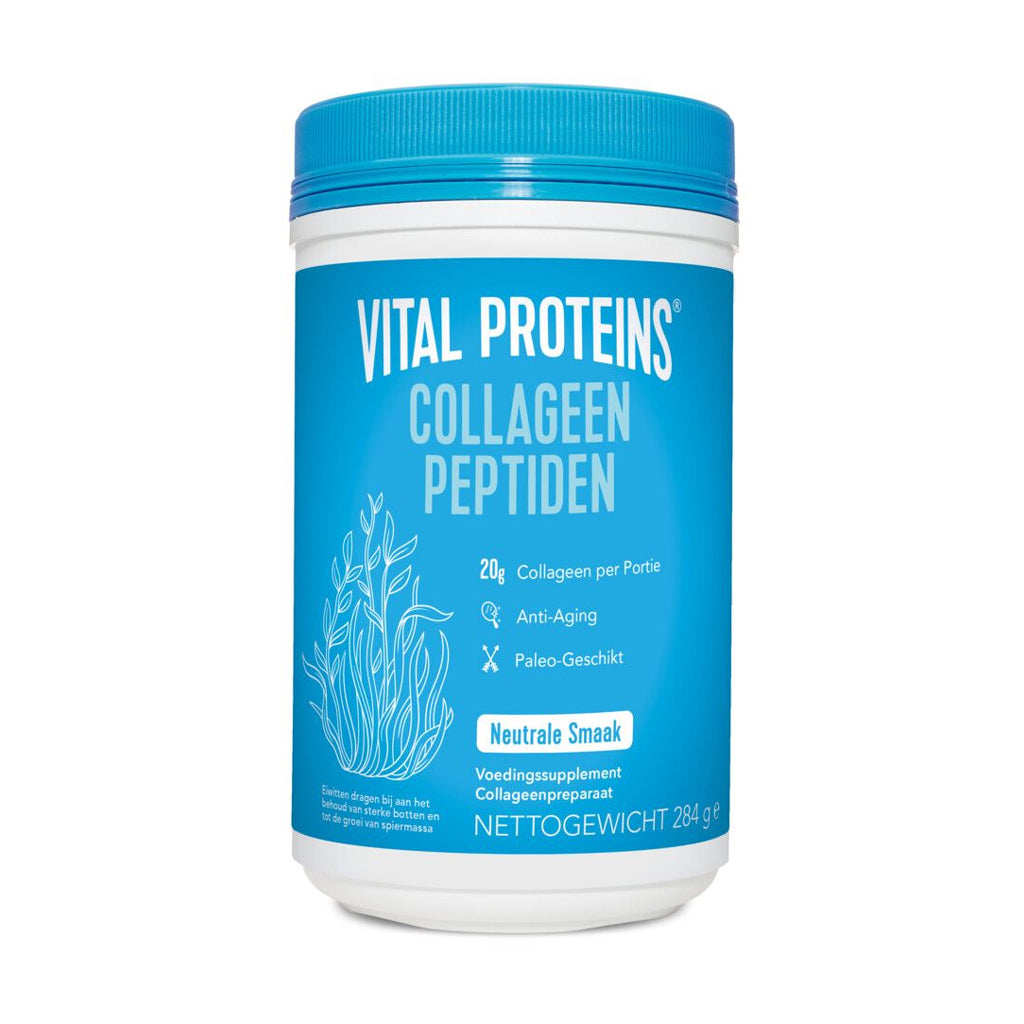
Collagen Peptides Powder – 284 g
Choose your option

What collagen is and where it is found
Collagen is the most common protein in your body. It gives tissues strength and resilience. You can find it in, among other things:
- the cartilage in your joints;
- tendons and ligaments;
- bones;
- your skin.
There are several types of collagen. Type II is mainly found in cartilage. Type I is mainly found in tendons, bones, and skin. Your body produces all these types itself from amino acids, the building blocks of protein.
The role of vitamin C
Vitamin C is needed for this production. It helps enzymes give collagen its strong, twisted structure (Source: PubMed). That is why there is an officially approved claim directly related to joints: vitamin C contributes to normal collagen formation for the normal function of cartilage.
Vitamin C is found in bell peppers, kale, broccoli, kiwi, and citrus fruits. Your body cannot store it, so you need it every day.
What happens when you take collagen?
Collagen in a supplement is almost always hydrolysed. The protein is broken down into small pieces: peptides. These dissolve easily in hot and cold drinks.
In your intestines, these peptides are broken down further. Some enter your bloodstream as small peptides. Japanese researchers found certain collagen peptides in the blood of people shortly after they had taken collagen (Source: PubMed). What your body does with those peptides afterwards is still being extensively researched.
Let's be honest
No health claim has been approved for collagen itself in the EU. What is known:
- Collagen is a protein. Protein contributes to the maintenance of muscle mass and normal bones.
- Vitamin C contributes to normal collagen formation for the normal function of cartilage.
That is why Plent Pure Marine Collagen contains vitamin C from acerola: 160 mg per daily dose.
Frequently asked questions about collagen
What is the difference between marine collagen and bone broth?
What is the difference between marine collagen and bone broth?
Marine collagen comes from fish and is mainly type I. You stir it flavorlessly into a drink. Bone broth is made from beef bones with cartilage and connective tissue. It tastes savory and is used like broth. Both are rich in protein.
How much collagen do you take per day?
How much collagen do you take per day?
In most products and studies, the amount is approximately 10 grams per day. That is one scoop of Pure Marine Collagen. Always follow the recommended daily dose on the packaging.
Can collagen be added to hot drinks?
Can collagen be added to hot drinks?
Yes. Hydrolyzed collagen dissolves well in coffee, tea, hot chocolate, or soup. It is best to stir Pure Marine into a drink that is no longer boiling. This is better for the vitamin C.
Is collagen suitable for vegetarians or vegans?
Is collagen suitable for vegetarians or vegans?
No. Collagen always comes from animals, such as fish or beef. Plant-based 'collagen boosters' contain no collagen, but do contain other nutrients such as vitamin C.
How long do people use collagen in research?
How long do people use collagen in research?
Usually daily, for at least three months. So choose a form that is easy to stick with: in your coffee, your yogurt, or as a warm mug of broth.
Marine, bone broth or beef: which collagen do you choose?
Choose how you want to use it
- In coffee, tea or yoghurt: Pure Marine Collagen Natural. Tasteless, with 160 mg of vitamin C per daily dose.
- With flavour, hot or cold: Pure Marine Chocolate Dream or one of the other flavours.
- Savory, as broth or in soup: Organic Bone Broth Collagen. Dried beef bone broth with 90 grams of protein per 100 grams.
- As much collagen as possible per euro: Pure Bovine Collagen. Pure beef collagen, tasteless, 400 grams.
Fancy something warm? Try our hot chocolate with collagen and cinnamon.
Want to stock up for the whole season? Pure Marine and Bone Broth are also available as a value pack: 4 jars, you pay for 3.
Read a comprehensive comparison of all types in Which collagen is right for you?
Popular Products
Organic Bone Broth Collagen Powder – 300 g
Choose your option
Pure Marine Collagen +C – Unflavored – 300 g – Fish Collagen Peptides with Vitamin C
Choose your option
Pure Marine Collagen – Chocolate Dream – 300 g | Fish Collagen with Vitamin C
Choose your option
Collagen Powder Grass-Fed & Hydrolysed - 400g
Choose your option
Beauty Blend Collagen Powder – Elderberry – 40 servings
Choose your option
Pure Marine Collagen Powder – Strawberry Lemonade – 300 g
Choose your option
Pure Bovine Collagen – Bovine Collagen Peptides – 400 g
Choose your option
Pure Marine Collagen – Citrus Lemonade – 30 sachets
Choose your option
Beauty Collagen – Strawberry-Lemon – 271 g
Choose your option


