


Digestion when travelling: practical tips for your holiday
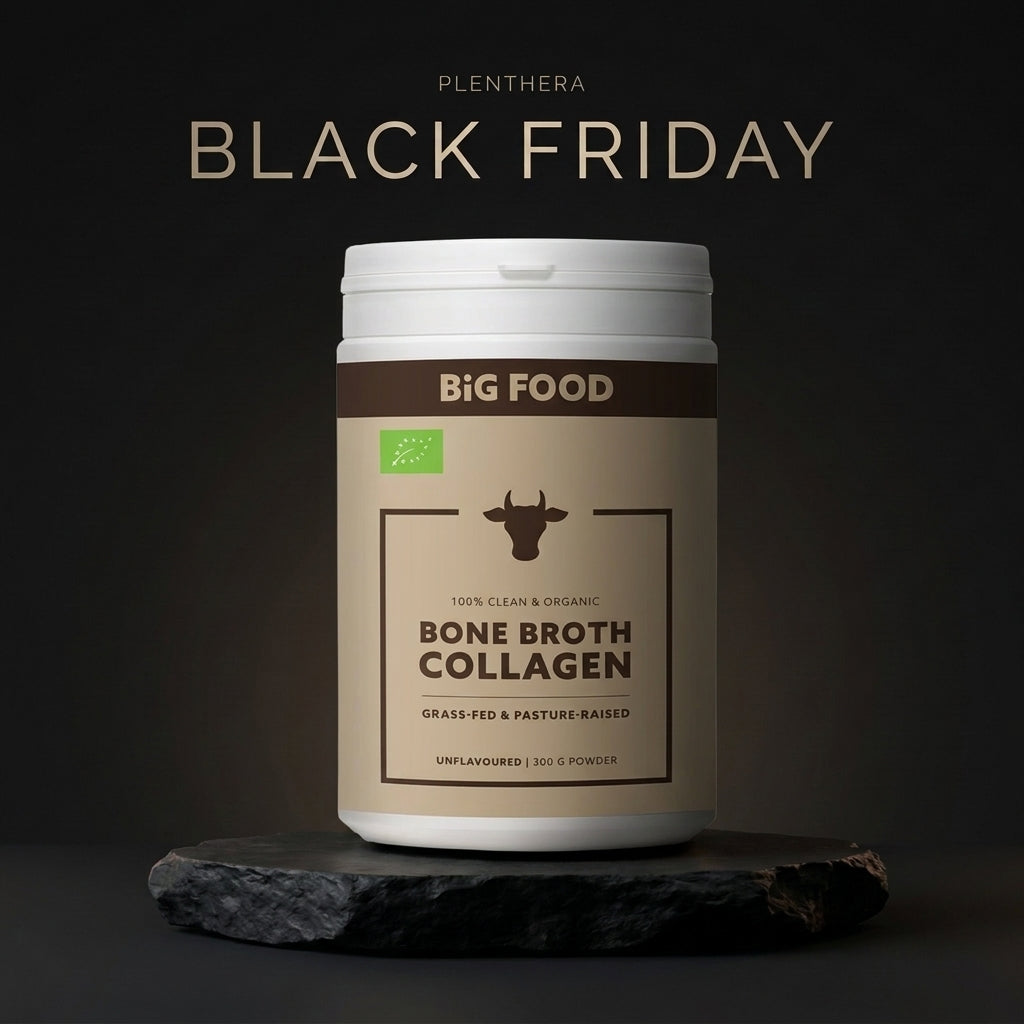
Organic Bone Broth Collagen Powder – 300 g
Choose your option
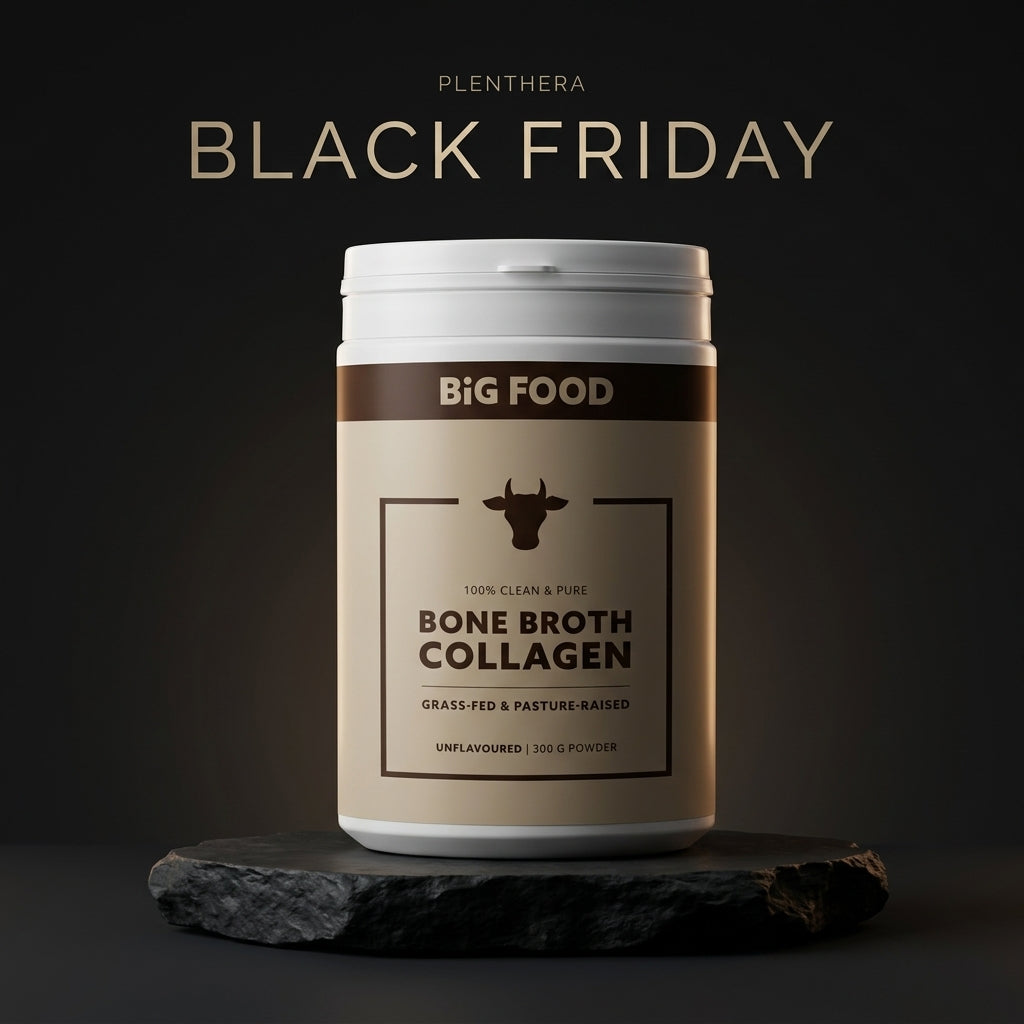
Bone Broth Collagen Powder Classic – 300 g
Choose your option
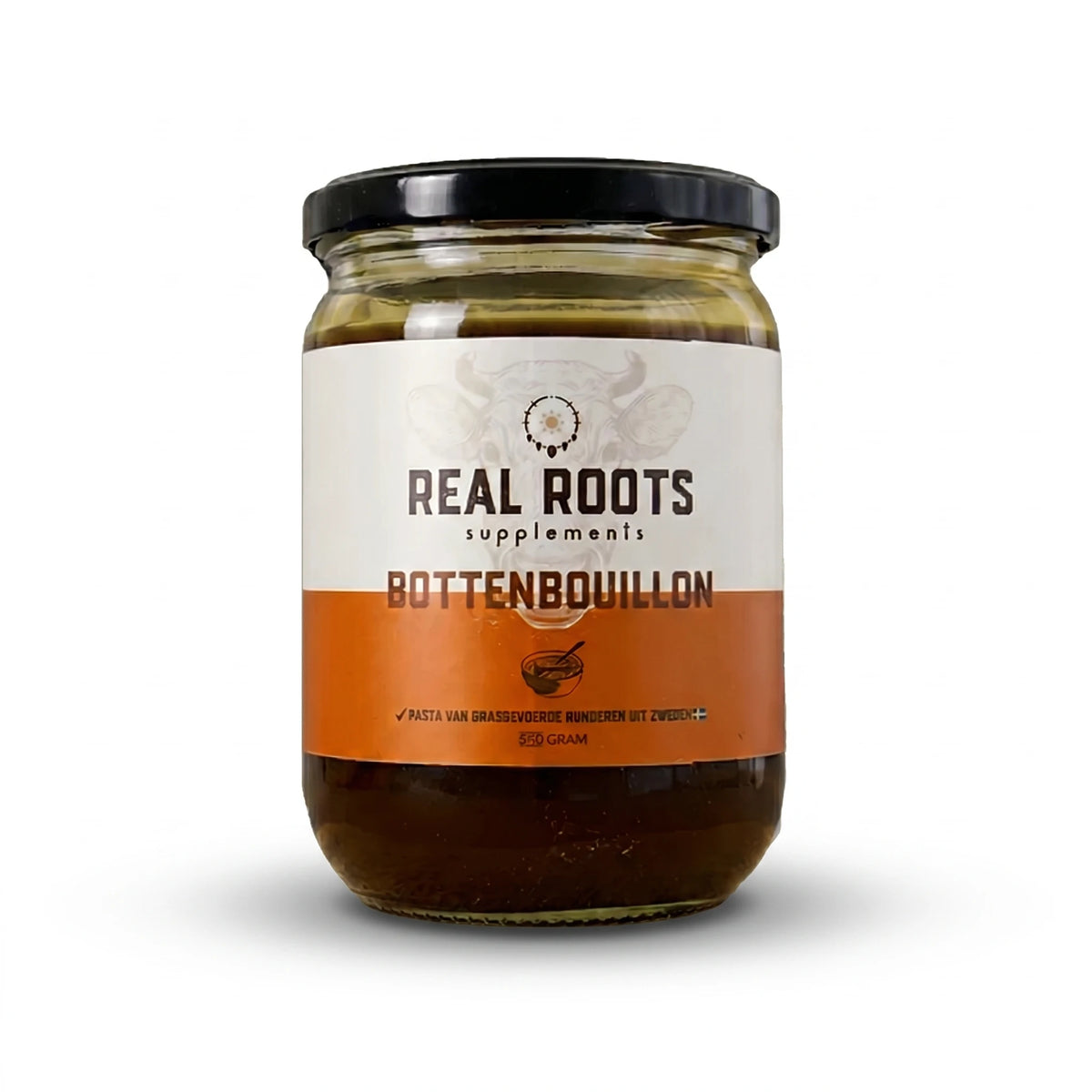
Bone Broth Paste – Concentrated – 550 g
Choose your option
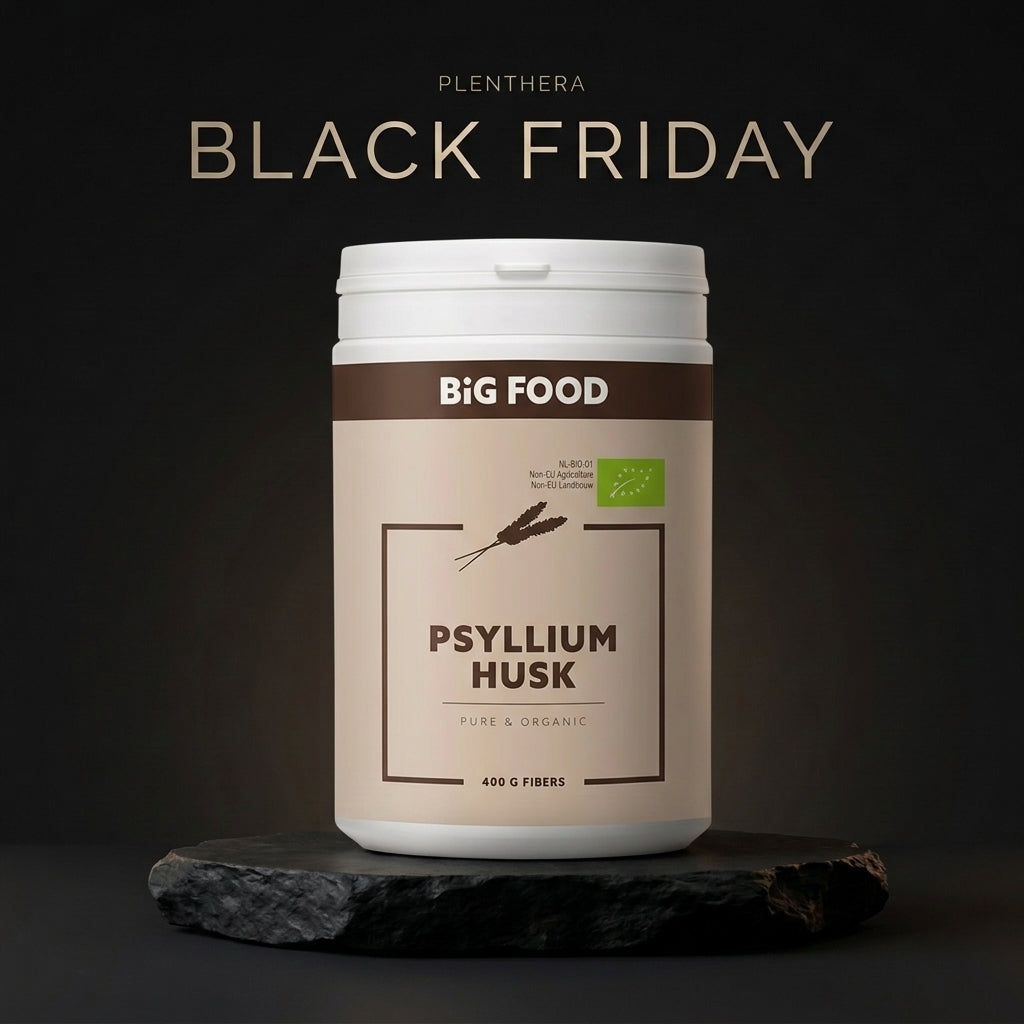
Psyllium Husk Fiber - Pure and Organic - 400g
Choose your option
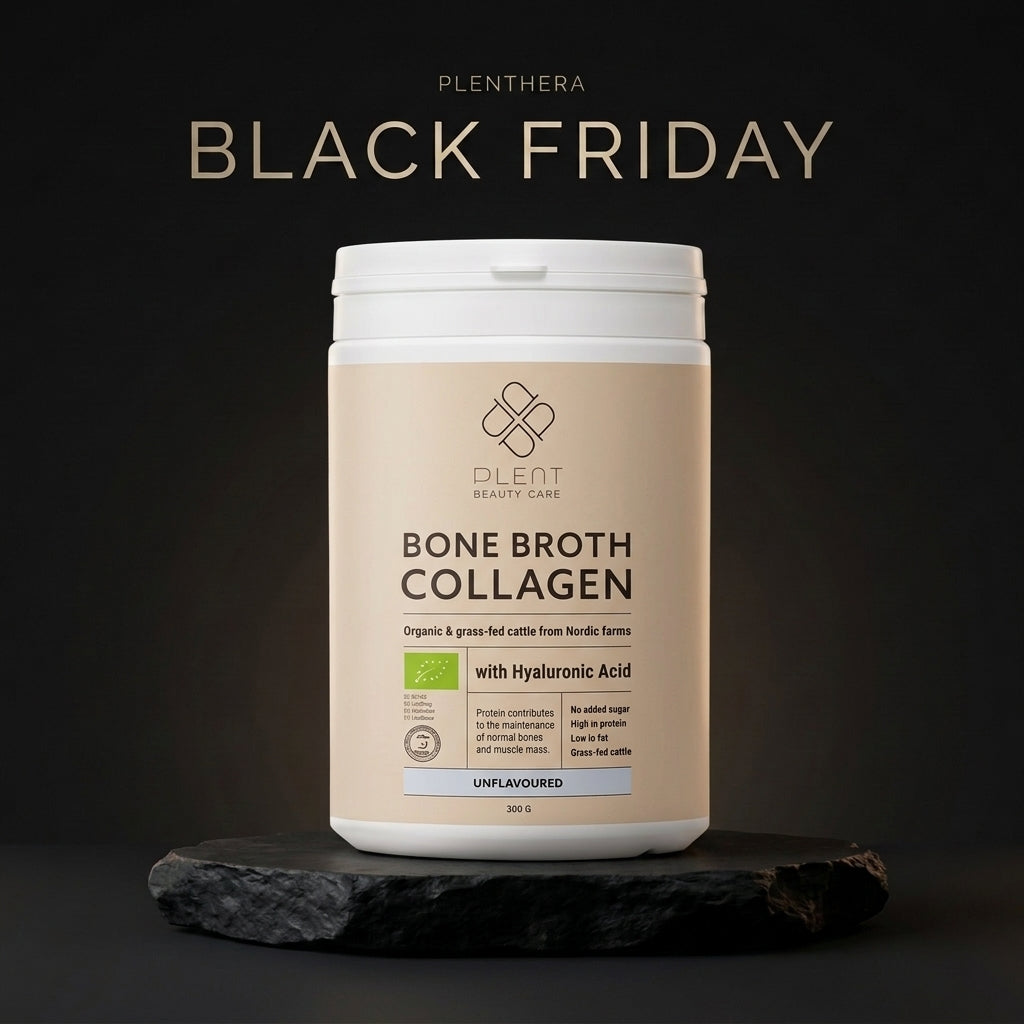
Organic Bone Broth Collagen Powder – Natural – 300 g
Choose your option

Neprinol AFD® – Enzyme Complex – 150 capsules
Choose your option

Neprinol AFD® – Enzyme Complex – 300 capsules
Choose your option

Bone Broth Collagen Powder – Chocolate – 300 g
Choose your option

Vitamin K2 + D3 – 60 softgels
Choose your option

Devigest ADS® – Enzyme Formula – 180 capsules
Choose your option

Digestion when travelling: what is going on and how do you prepare?
When you travel you eat and drink differently from at home: different food, different water, a different rhythm, jet lag and often a bit more alcohol. Your digestion sometimes needs time to adjust. In countries with different hygiene and water conditions, bacteria and viruses in food or drink can also cause stomach and bowel complaints. That is why it pays to be well prepared.
What can you do beforehand?
1. Eat a varied, fibre-rich diet
In the weeks before you leave you can focus on a varied diet with vegetables, fruit, pulses and wholegrain products. Fermented foods such as yoghurt, kefir, sauerkraut and kimchi fit in too. Some travellers take a probiotic product with them; no health claims are authorised for probiotics, so choose on the basis of strain, dose and product information.
2. Plan your travel kit
Besides your standard travel kit (paracetamol, plasters, sun protection), many travellers pack ORS (oral rehydration solution) in case they lose fluids. For long-haul trips, ask a travel clinic or your GP for advice, and see a doctor if you have symptoms while travelling.
On the road: water, food and rhythm
Water and drinks
- Drink only bottled water or purified water in countries where tap water is unsafe. This also applies to brushing your teeth.
- Avoid ice cubes made from tap water – they are often a source of contamination.
- Be careful with fresh fruit juice and unpeeled raw vegetables that have been washed with unsafe water.
Food
- Eat hot food that should be served hot — steam or heat kills many bacteria.
- Peel fruit yourself ("peel it, boil it, cook it, or forget it").
- Be careful with unpasteurised dairy products and raw meat or fish in countries where the cold chain is unreliable.
- Restaurants with high turnover are often safer (fresh stock) than quiet establishments with food that has been sitting in display cases for a long time.
Rhythm and stress
Your intestines react to your daily rhythm. Try not to induce complete cuisine shock in the first few days – build up slowly. Sufficient water, not too much alcohol, sufficient sleep and regular meals help to keep your system from getting unnecessarily out of balance.
Common questions about digestion while traveling
What can I do for my digestive comfort when traveling?
What can I do for my digestive comfort when traveling?
Focus mainly on safe water, properly heated food, drinking enough and a regular rhythm. Some travellers also take a probiotic product with them; no health claims are authorised for probiotics, so you choose on the basis of strain, dose and product information.
How long do travel-related digestive complaints typically last?
How long do travel-related digestive complaints typically last?
With mild to moderate symptoms, most people recover within 3-4 days. With prolonged symptoms or specific pathogens (parasites such as Giardia), it can take weeks – in which case, always consult a doctor.
Can I combine a probiotic product with antibiotics?
Can I combine a probiotic product with antibiotics?
If you are taking antibiotics, consult your doctor or pharmacist before adding a supplement. It is often recommended not to take a probiotic product at the same time as the antibiotics, but a few hours apart. No health claims are authorised for probiotics.
What is the difference between probiotics and prebiotics?
What is the difference between probiotics and prebiotics?
Probiotics are products containing live micro-organisms. Prebiotics are nutrients (mainly certain fibres) that serve as food for gut bacteria. You can read a more detailed explanation in our blog <a href="https://www.plenthera.com/en/blogs/functionele-voeding/vezels-prebiotica-en-probiotica-wat-is-het-verschil-en-wanneer-kies-je-wat">Fibre, prebiotics and probiotics: what is the difference?</a>
How much water should I drink per day in a hot destination?
How much water should I drink per day in a hot destination?
In hot weather, you lose much more fluid through sweat. General advice: at least 2-3 litres per day in a warm climate, more with sports activities. Add a pinch of salt and some lemon for extra electrolytes—or, if you're sweating really heavily, use an electrolyte supplement (see also Trace Endure in our sports category).
What if the symptoms do appear?
What to do if you get symptoms while travelling
With mild to moderate diarrhoea these are the basic steps:
- Drink enough — plenty of water and preferably ORS (oral rehydration solution). Avoid soft drinks and pure sugar.
- Eat light — for example rice, banana, apple sauce and toast; for the first day or two, preferably no fatty or fried food.
- Anti-diarrhoea medicines (such as loperamide) only for a short time and after advice from a pharmacist or doctor; not if you have a fever or blood in your stool.
When do you need a doctor? With a high fever (above 38.5 °C), blood in the stool, severe fluid loss, symptoms lasting longer than 3-4 days, or for children, older people and pregnant women.
With good preparation and sensible choices on the road you are well prepared for your trip: pay attention to water, food and rhythm, drink enough and seek medical help if symptoms are severe or persistent.
Disclaimer: This article is for information only and does not replace medical advice. A food supplement is not a substitute for a varied, balanced diet and a healthy lifestyle. If in doubt or if you take medication, consult a doctor or pharmacist. Do not exceed the recommended daily dose. Keep out of the reach of young children.
Popular Products
Organic Bone Broth Collagen Powder – 300 g
Choose your option
Bone Broth Collagen Powder Classic – 300 g
Choose your option
Bone Broth Paste – Concentrated – 550 g
Choose your option
Psyllium Husk Fiber - Pure and Organic - 400g
Choose your option
Organic Bone Broth Collagen Powder – Natural – 300 g
Choose your option
Neprinol AFD® – Enzyme Complex – 150 capsules
Choose your option
Neprinol AFD® – Enzyme Complex – 300 capsules
Choose your option
Bone Broth Collagen Powder – Chocolate – 300 g
Choose your option
Vitamin K2 + D3 – 60 softgels
Choose your option


