


Why your knees bother you more in November
It is getting colder, wetter and darker earlier. And suddenly you feel your knees on the stairs, or your fingers feel less supple in the morning. Sound familiar? Many people notice their joints especially in the autumn. In this article you will read how a joint works, why you feel it more right now and what you can do yourself to stay moving smoothly.
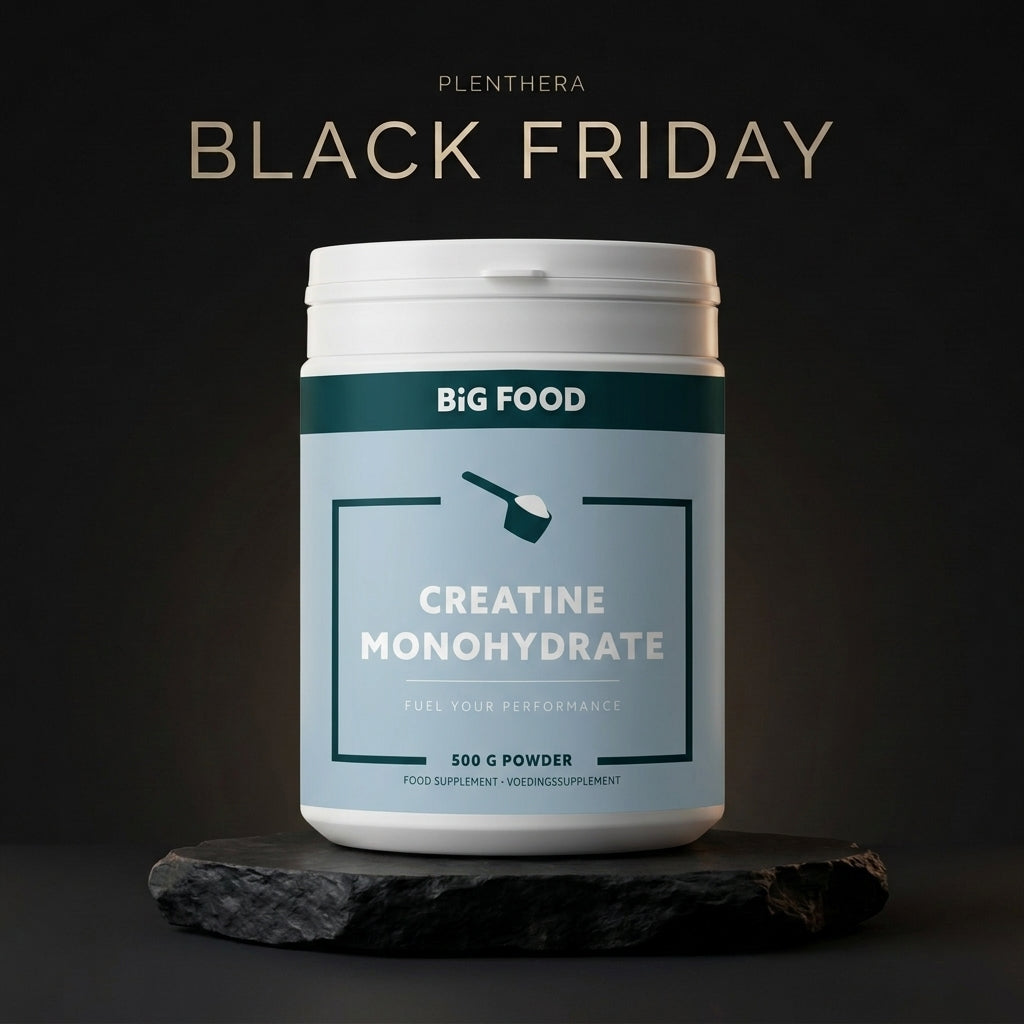
Vegan Creatine Monohydrate Powder – 500 g
Choose your option

Mag3 Ultra® Magnesium Complex – 180 capsules
Choose your option

Vegan Ionic Magnesium Natural – 150 g
Choose your option

Beauty Blend Collagen Powder – Elderberry – 40 servings
Choose your option
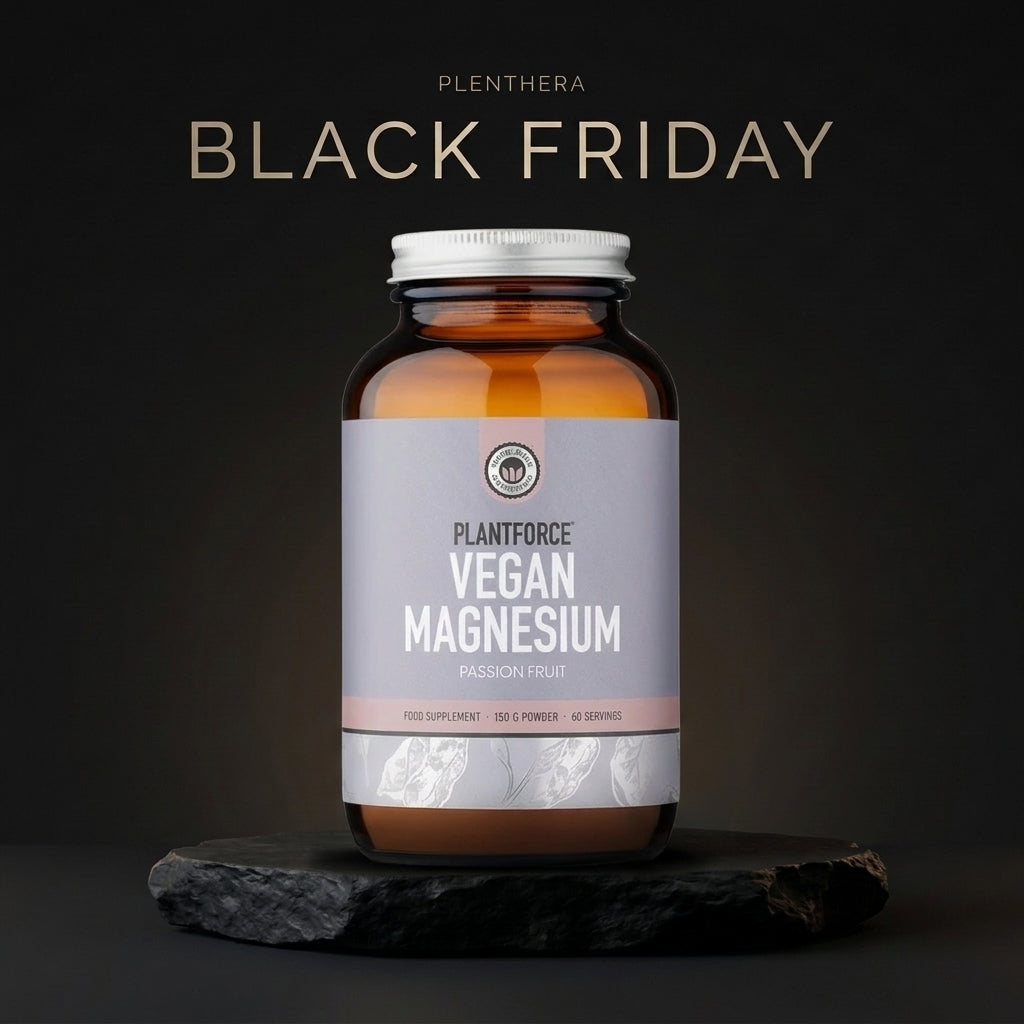
Vegan Ionic Magnesium Passion Fruit – 150 g
Choose your option

Vitamin K2 + D3 – 60 softgels
Choose your option

Unlock Protein Vanilla — Vegan Faba Bean Protein Powder — 800 g
Choose your option
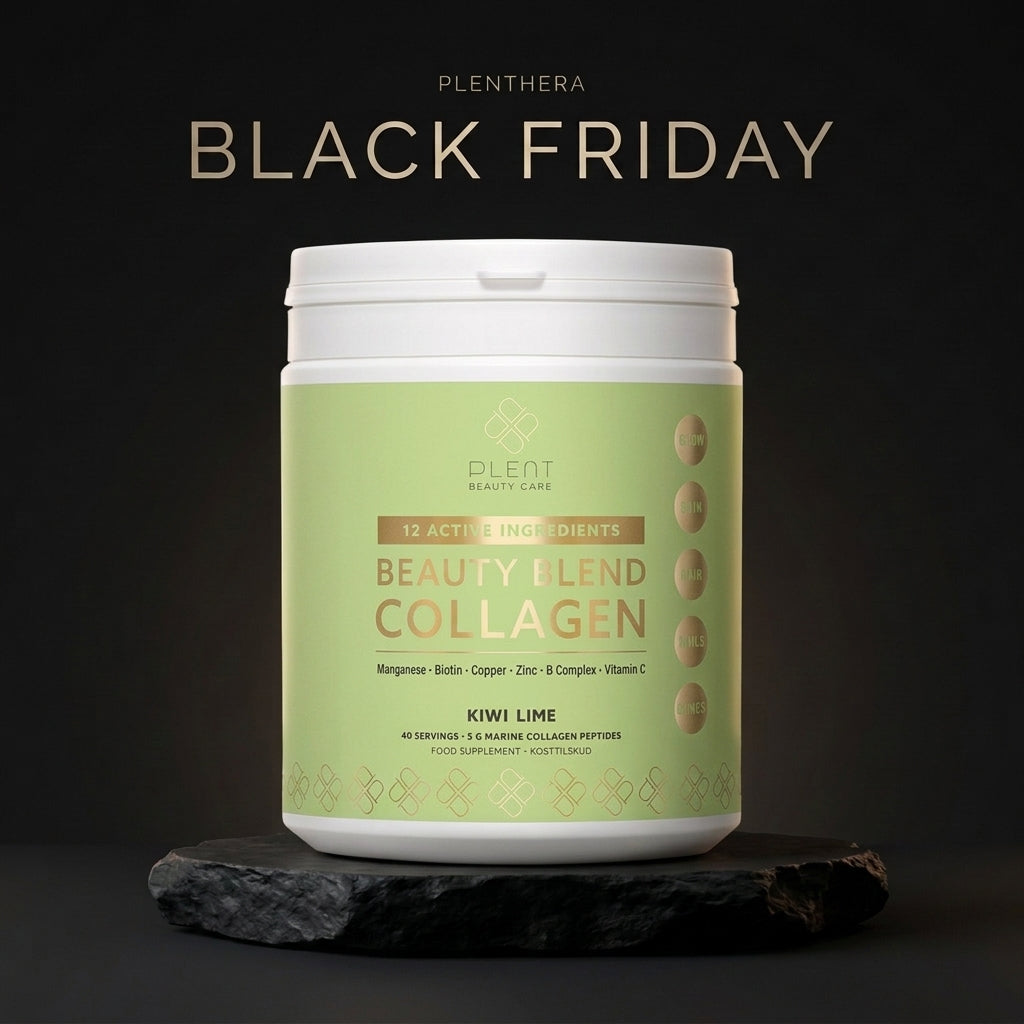
Beauty Blend Collagen Powder – Kiwi Lime – 40 servings
Choose your option

Vegan Ionic Magnesium+ Natural – 160 g
Choose your option

Mega-Mag Liquid Magnesium 400 mg - 118 ml
Choose your option

How a joint works
A joint is the place where two bones meet, such as in your knee, hip or fingers. Several components work together there:
- Cartilage: a smooth and firm layer on the ends of your bones. It absorbs shocks and ensures that the bones move smoothly against each other.
- Joint fluid: a viscous fluid in the joint. It reduces friction and delivers nutrients.
- Capsule and ligaments: firm connective tissue that holds the joint together.
- Muscles and tendons: they move the joint and absorb some of the load.
Cartilage thrives on movement
Cartilage has no blood vessels of its own. It gets its nutrients from the joint fluid. This works best when you move. With every step, the cartilage is slightly compressed and then released again, just like a sponge. This allows nutrients to flow in (Source: PubMed).
Cartilage consists largely of collagen. This protein is also found in your tendons, ligaments, bones and skin. Your body produces collagen itself and needs vitamin C, among other things, for this. Vitamin C contributes to normal collagen formation for the normal function of the cartilage. You can read more about this in Collagen for your joints: what does science really say?
Why your joints are more noticeable in winter
"I can feel it in my knees again." Many people say it, and researchers have taken it seriously. In a large European study among older people, a significant proportion of participants reported that the weather affects how their joints feel. Especially in cold and damp weather (Source: The Journal of Rheumatology).
Exactly how that happens is not yet completely clear. Probably several things are at play:
- Moving less. In winter we spend more time indoors. A joint that moves less often feels less supple.
- Cold. Muscles and tendons tense up more in the cold. Blood flow to the hands and feet decreases.
- Air pressure and humidity. Possibly the tissues around your joint react to changes in air pressure.
- Short, dark days. You feel less fit, and you pay more attention to what your body does.
The good news: a large part of this is in your own hands.
Frequently asked questions about joints in winter
Is it a myth that you can feel the weather in your joints?
Is it a myth that you can feel the weather in your joints?
No. Many people experience it, and it has also been studied. Exactly how it works is not yet clear. Probably cold, air pressure, and less movement all play a role.
Is exercise good if my joints feel less flexible?
Is exercise good if my joints feel less flexible?
Usually, yes. Cartilage actually receives its nutrients through movement. Choose gentle, regular exercise such as walking, cycling, or swimming. Do you have pain, swelling, or any doubts? Then consult your GP or physiotherapist first.
Does heat help?
Does heat help?
Many people find warmth pleasant. A warm shower or dressing in layers helps your muscles relax before you start exercising. Make sure to keep your knees, hands and neck warm when you go outside.
Which nutrients are important for your joints?
Which nutrients are important for your joints?
Vitamin C contributes to normal collagen formation for the normal function of cartilage. Manganese contributes to the normal formation of connective tissue and copper to the maintenance of normal connective tissues. You get them from vegetables, fruit, whole grain products, nuts and legumes.
When do I go to the GP?
When do I go to the GP?
If you have persistent pain, swelling, redness or warmth in a joint. Or if you cannot move as well as normal, or if symptoms after a fall or injury do not subside.
How to stay flexible and mobile this winter
Six practical tips
- Move a little every day. It is better to walk for half an hour every day than to take one long walk a week. The World Health Organization recommends that adults engage in at least 150 minutes of moderate-intensity exercise per week (Source: British Journal of Sports Medicine).
- Start with a warm-up. Move gently for five minutes before exercising or doing chores. Roll your shoulders, wrists and ankles.
- Train your muscles. Strong muscles around a joint absorb some of the strain. Aim to do strength training twice a week. Read how to do this in Your joints need muscles.
- Dress in layers. A cold knee or hand will feel stiff more quickly. Gloves and a long coat really make a difference.
- Maintain a healthy weight. Every kilo your knees and hips do not have to carry makes a difference with every step.
- Eat a varied diet. With plenty of protein, vegetables and fruit. Protein helps maintain muscle mass. Vitamin C from, for example, peppers, kiwis and citrus fruits contributes to normal collagen formation for the normal function of cartilage.
And supplements?
A varied diet remains the foundation. Want to add something to it? At this time of year, many customers choose collagen with vitamin C, such as Plent Pure Marine Collagen. One daily dose provides 10 grams of collagen and 160 mg of vitamin C (200% of the reference intake).
Prefer something savory? Organic Bone Broth Collagen is dried beef bone broth with 90 grams of protein per 100 grams. A warm base for soup, such as our winter lentil soup.
You can find all the products from this theme month in the Muscles & Joints collection.
Popular Products
Vegan Creatine Monohydrate Powder – 500 g
Choose your option
Mag3 Ultra® Magnesium Complex – 180 capsules
Choose your option
Vegan Ionic Magnesium Natural – 150 g
Choose your option
Beauty Blend Collagen Powder – Elderberry – 40 servings
Choose your option
Vegan Ionic Magnesium Passion Fruit – 150 g
Choose your option
Vitamin K2 + D3 – 60 softgels
Choose your option
Unlock Protein Vanilla — Vegan Faba Bean Protein Powder — 800 g
Choose your option
Beauty Blend Collagen Powder – Kiwi Lime – 40 servings
Choose your option
Vegan Ionic Magnesium+ Natural – 160 g
Choose your option


