


Fibers, prebiotics, and probiotics: what's the difference and when do you choose what?
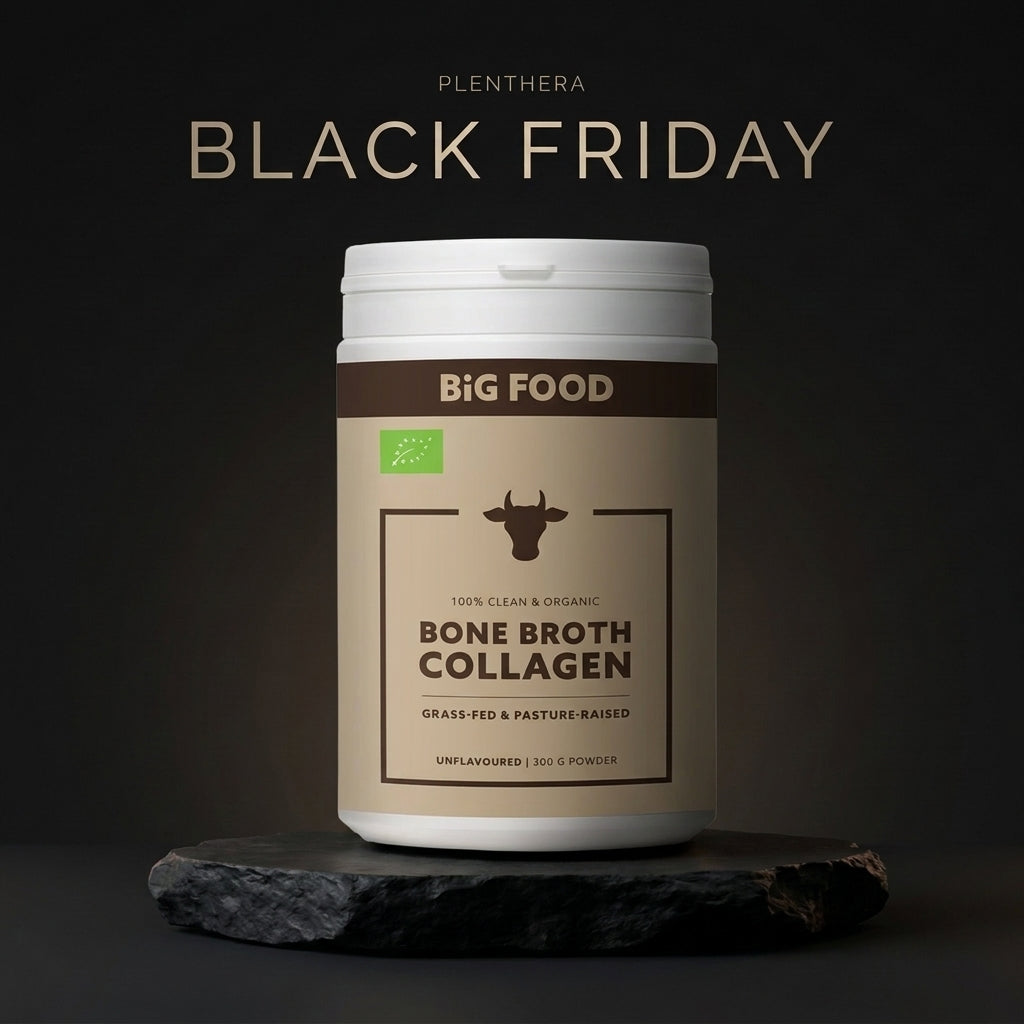
Organic Bone Broth Collagen Powder – 300 g
Choose your option

Bone Broth Collagen Powder Classic – 300 g
Choose your option
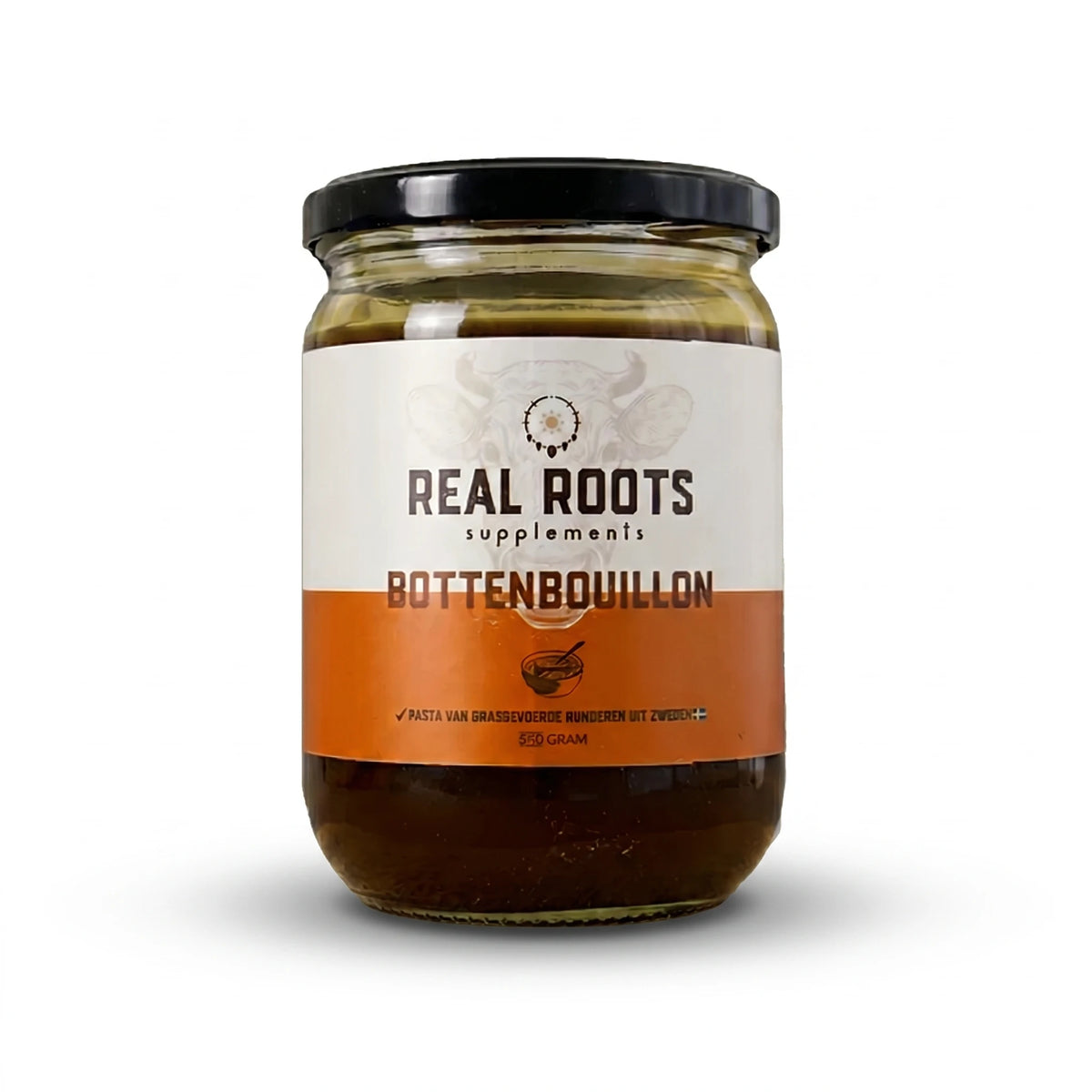
Bone Broth Paste – Concentrated – 550 g
Choose your option
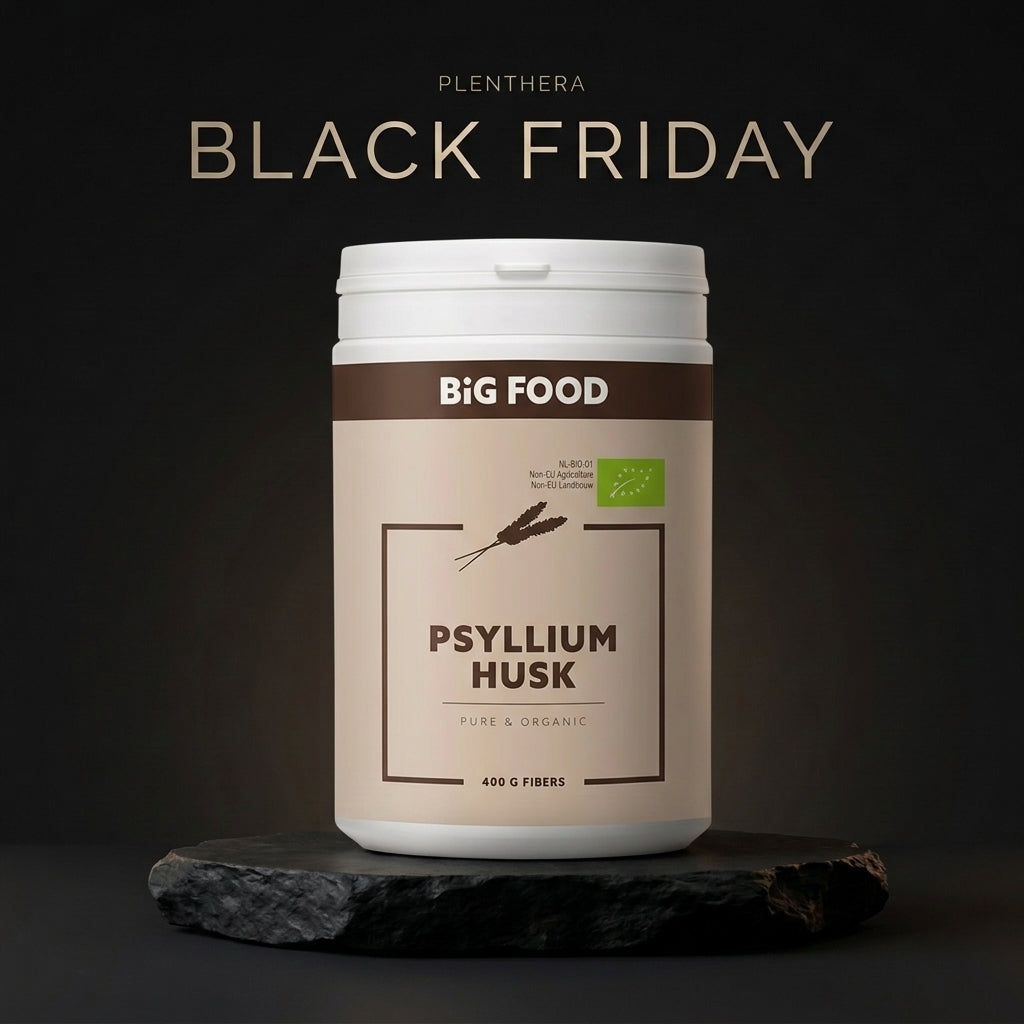
Psyllium Husk Fiber - Pure and Organic - 400g
Choose your option
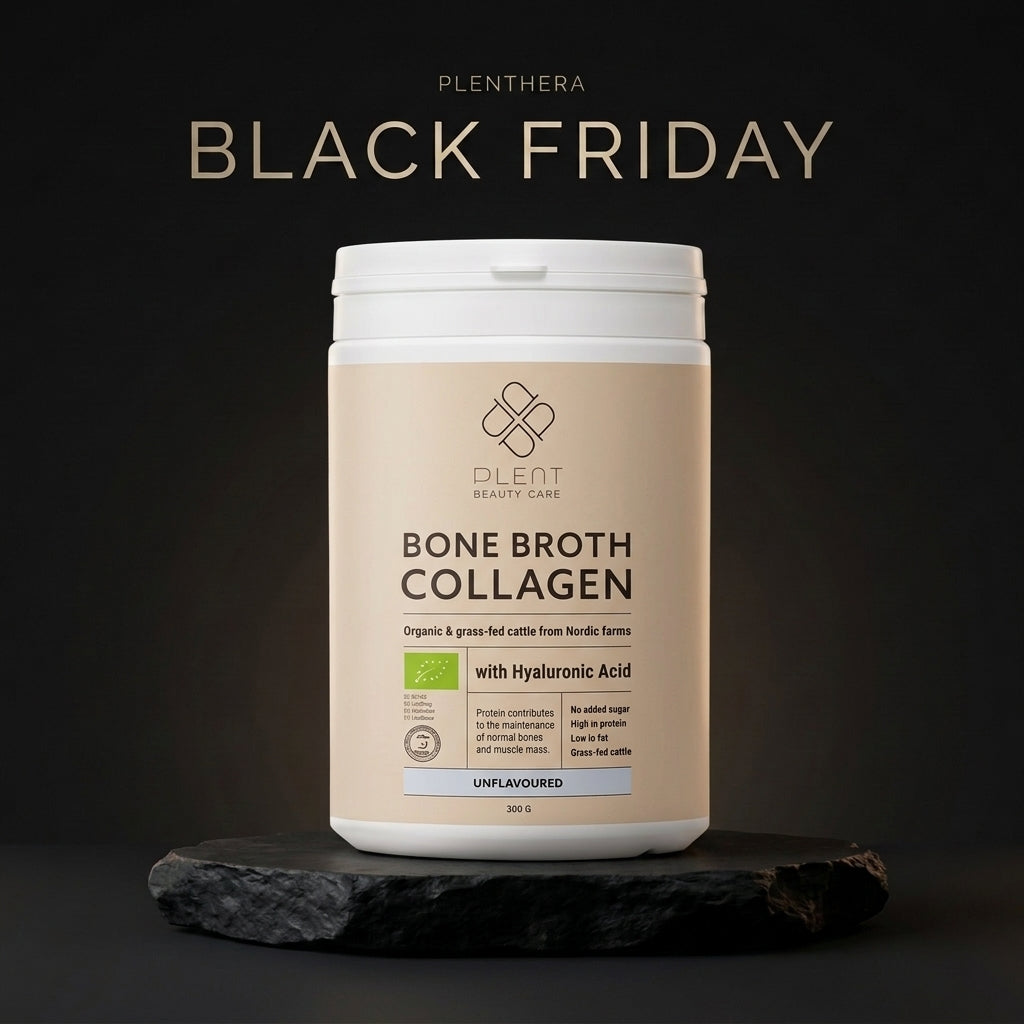
Organic Bone Broth Collagen Powder – Natural – 300 g
Choose your option

Neprinol AFD® – Enzyme Complex – 150 capsules
Choose your option

Neprinol AFD® – Enzyme Complex – 300 capsules
Choose your option

Bone Broth Collagen Powder – Chocolate – 300 g
Choose your option

Vitamin K2 + D3 – 60 softgels
Choose your option

Devigest ADS® – Enzyme Formula – 180 capsules
Choose your option

The four categories and fibers as a base
- Fibre — indigestible carbohydrates from plant foods.
- Prebiotics — a specific group of fibres that can serve as food for gut bacteria.
- Probiotics — live micro-organisms (in food or in a supplement).
- Postbiotics — substances that gut bacteria produce when they ferment fibre.
- Synbiotics — a combination of pro- and prebiotics in one product.
1. Fibre — the foundation
Fibre is the indigestible part of plant foods. Your own digestive enzymes cannot break it down, but your gut bacteria can: they ferment fibre and produce short-chain fatty acids in the process. Research is looking at the role of these substances in the gut and beyond.
There are two main types: soluble fibre (oats, pulses, fruit, flaxseed), which forms a gel-like structure in water, and insoluble fibre (wholegrains, vegetables, nuts), which adds bulk to the gut contents. A varied diet provides both.
The Dutch Health Council advises adults to eat 30 to 40 grams of fibre a day. Many people eat less, so most of us have room to improve. Health claims are authorised for some fibres. For example, oat beta-glucan contributes to the maintenance of normal blood cholesterol levels (with a daily intake of 3 grams), and chicory inulin contributes to normal bowel function by increasing stool frequency (with a daily intake of 12 grams).
Source: EU Register on nutrition and health claims (Regulation (EU) 432/2012 — officially authorised health claims).
Prebiotics and probiotics explained
Prebiotics are a specific group of fibres (or sometimes other substances) that your own body does not digest, but certain gut bacteria such as Bifidobacterium and Lactobacillus do.
Well-known prebiotics
- Inulin (from chicory, garlic, onion, asparagus, leek)
- Fructo-oligosaccharides (FOS) (from fruit, pulses, onion)
- Galacto-oligosaccharides (GOS) (from milk, pulses)
- Resistant starch (from cooked and cooled potatoes, bananas, pulses)
- Beta-glucan (from oats, barley, mushrooms)
If you want to increase your fibre intake, a fibre supplement (for example inulin powder or psyllium) can be an addition to your diet. Start gradually: a sudden large amount of fibre can cause wind. Drink enough with it.
3. Probiotics — live micro-organisms
Probiotics are live micro-organisms. Well-known groups:
- Lactobacillus — one of the best-known families, also used in yoghurt and fermented vegetables.
- Bifidobacterium — found mainly in the large intestine.
- Saccharomyces boulardii — a yeast (not a bacterium).
No health claims are authorised for probiotics. In practice this means products are described neutrally and you choose on the basis of strain, dose (expressed in CFU, colony-forming units) and composition. If you take medicines, such as antibiotics, or have persistent bowel complaints, consult your doctor or pharmacist first.
Frequently Asked Questions about Fiber, Pre- and Probiotics
How many CFUs do I need?
How many CFUs do I need?
There is no official recommendation. The amount differs per product and per strain, and a higher dose is not automatically better. Follow the recommended daily dose on the label.
Should I store probiotics in the refrigerator?
Should I store probiotics in the refrigerator?
That depends on the product. Some strains require refrigeration to maintain viability, others are stable at room temperature (so-called "shelf-stable" probiotics). Always read the label.
Can children use probiotics?
Can children use probiotics?
Yes, there are specific children's probiotics with adapted strains and dosages. For babies and young children: always consult your general practitioner or the well-child clinic.
How long should you use a probiotic product?
How long should you use a probiotic product?
There are no fixed rules. Follow the directions on the label. Because no health claims are authorised for probiotics, we make no statements about effects.
May I take probiotics during pregnancy?
May I take probiotics during pregnancy?
During pregnancy, always consult your midwife or GP before starting a supplement.
Postbiotics, synbiotics, and what you choose
Which one do you choose?
Postbiotics
These are substances formed when gut bacteria ferment fibre, such as short-chain fatty acids, peptides and cell-wall fragments. So postbiotics are not live bacteria. They are still relatively new in supplements.
Synbiotics
A combination of probiotics and prebiotics in one product. Practical if you want to use both.
Which do you choose — fibre, prebiotics or probiotics?
Start with the basics: food
For most people, eating more fibre (vegetables, fruit, pulses, wholegrains) and adding fermented foods (yoghurt, kefir, sauerkraut) is a logical first step.
Fibre or prebiotic supplement
If you find it hard to get enough fibre from food, a fibre or prebiotic supplement (such as inulin, FOS, GOS or psyllium) can be an addition.
Probiotic supplement
Some people also choose a probiotic supplement. No health claims are authorised for probiotics; choose on the basis of strains, dose and product information and follow the recommended daily dose on the label.
Synbiotics: for convenience
If you want pro- and prebiotics in one product, a synbiotic product is practical. Check the composition.
Fibre, prebiotics, probiotics, postbiotics and synbiotics are different categories relating to the gut flora. The foundation is your diet: varied, fibre-rich and with fermented foods. Supplements can be an addition to that.
Disclaimer: This article is for information only and does not replace medical advice. A food supplement is not a substitute for a varied, balanced diet and a healthy lifestyle. If in doubt or if you take medication, consult a doctor or pharmacist. Do not exceed the recommended daily dose. Keep out of the reach of young children.
Popular Products
Organic Bone Broth Collagen Powder – 300 g
Choose your option
Bone Broth Collagen Powder Classic – 300 g
Choose your option
Bone Broth Paste – Concentrated – 550 g
Choose your option
Psyllium Husk Fiber - Pure and Organic - 400g
Choose your option
Organic Bone Broth Collagen Powder – Natural – 300 g
Choose your option
Neprinol AFD® – Enzyme Complex – 150 capsules
Choose your option
Neprinol AFD® – Enzyme Complex – 300 capsules
Choose your option
Bone Broth Collagen Powder – Chocolate – 300 g
Choose your option
Vitamin K2 + D3 – 60 softgels
Choose your option


